Ride Design Vehicle
Engineering · TPED 2026
Ride Design Vehicle
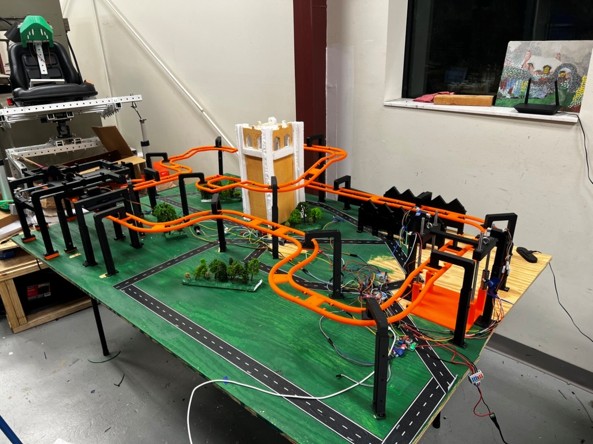
Fully inverted dark ride prototype where the vehicle hangs beneath the track, coordinated by a WiFi-based MQTT system across vehicles, track hardware, and a central server.
►  expand for videos
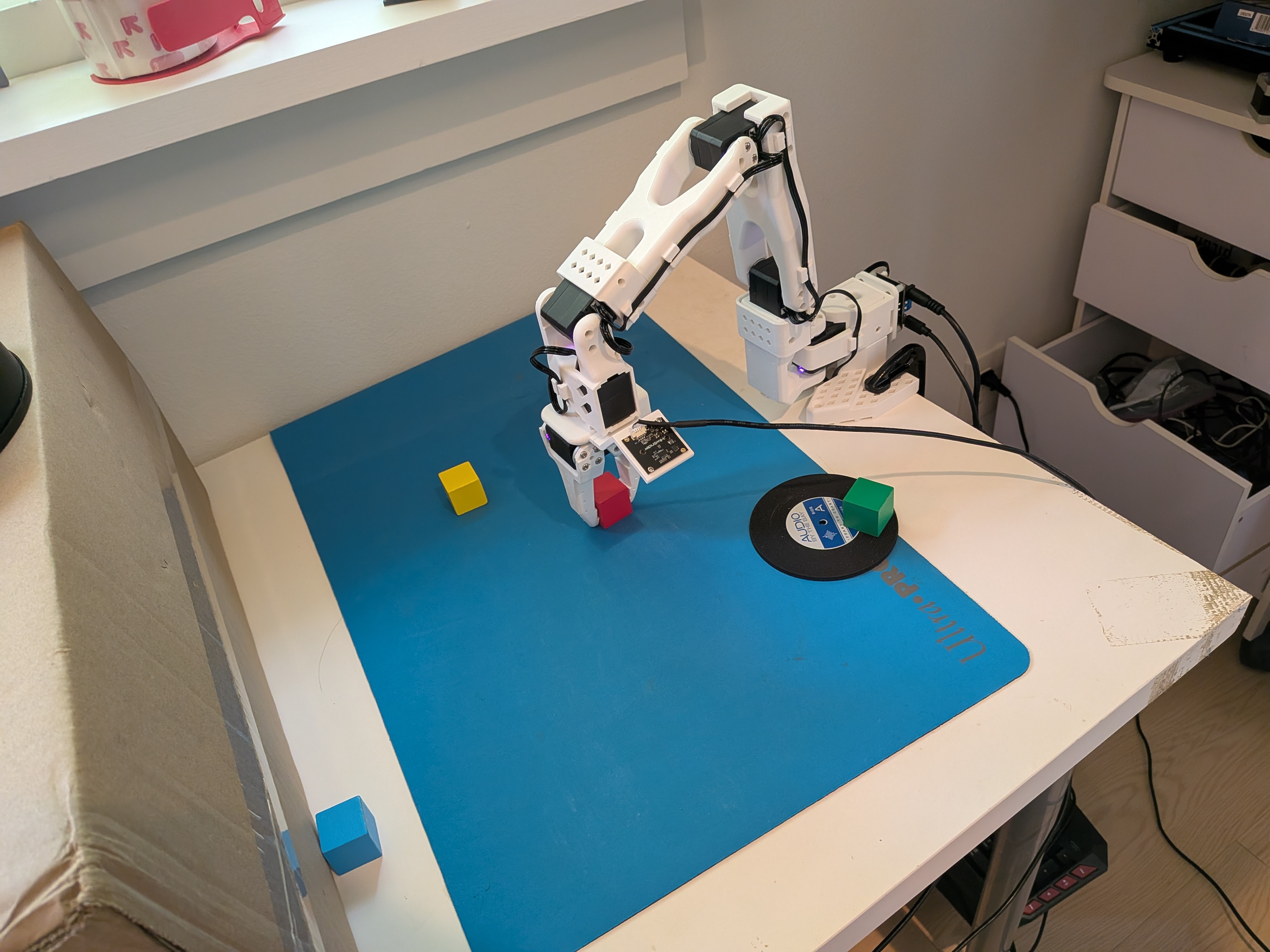
  • Electrical systems architecture for a fully inverted dark ride prototype (vehicle hangs beneath the track) built for the UF Theme Park Engineering & Design (TPED) club.
  • Developed a WiFi-based communication layer using Mosquitto MQTT to coordinate ride vehicles, track systems, and the central server.
  • Implemented servo-driven switch tracks and turntables, motorized drop-track actuation, and IR beam-break sensors for sequencing and trigger detection.
  • Supported both manual and autonomous subsystem control modes across the integrated ride platform.
Robotic Arm Manipulation
Robotics · UF 2025
Learning-Based Robotic Manipulation
Modular autonomous agent pipeline featuring LLM-based planning and visuomotor policies for physical object manipulation.
►  expand for video & details
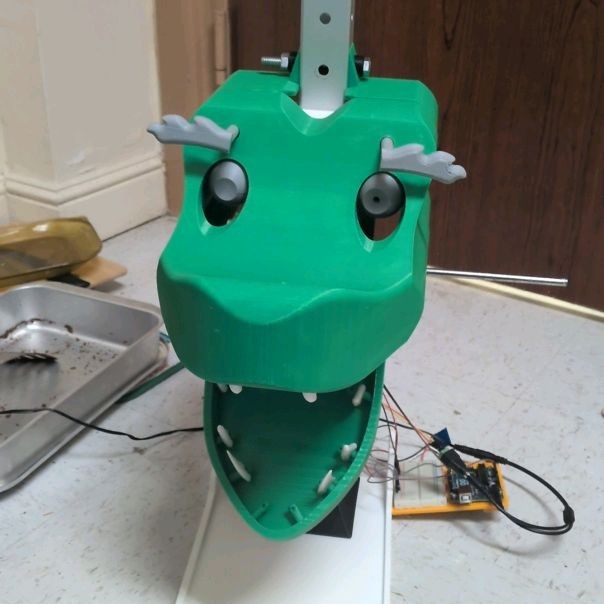
  • Developed a modular autonomous agent pipeline with an LLM planning node to parse natural language into structured goals.
  • Implemented a visuomotor policy for physical execution using imitation learning.
  • Built on ROS2-based infrastructure for robust communication between planning and execution nodes.
  • Executed full experimental cycle: teleoperation data collection, policy training, and hardware deployment.
Animatronic Gator Head
Robotics · 2025–2026
Animatronic Gator Head
Full-stack animatronic control pipeline for a multi-DOF gator head — servos, digital twin, and audio-reactive jaw.
►  expand for video
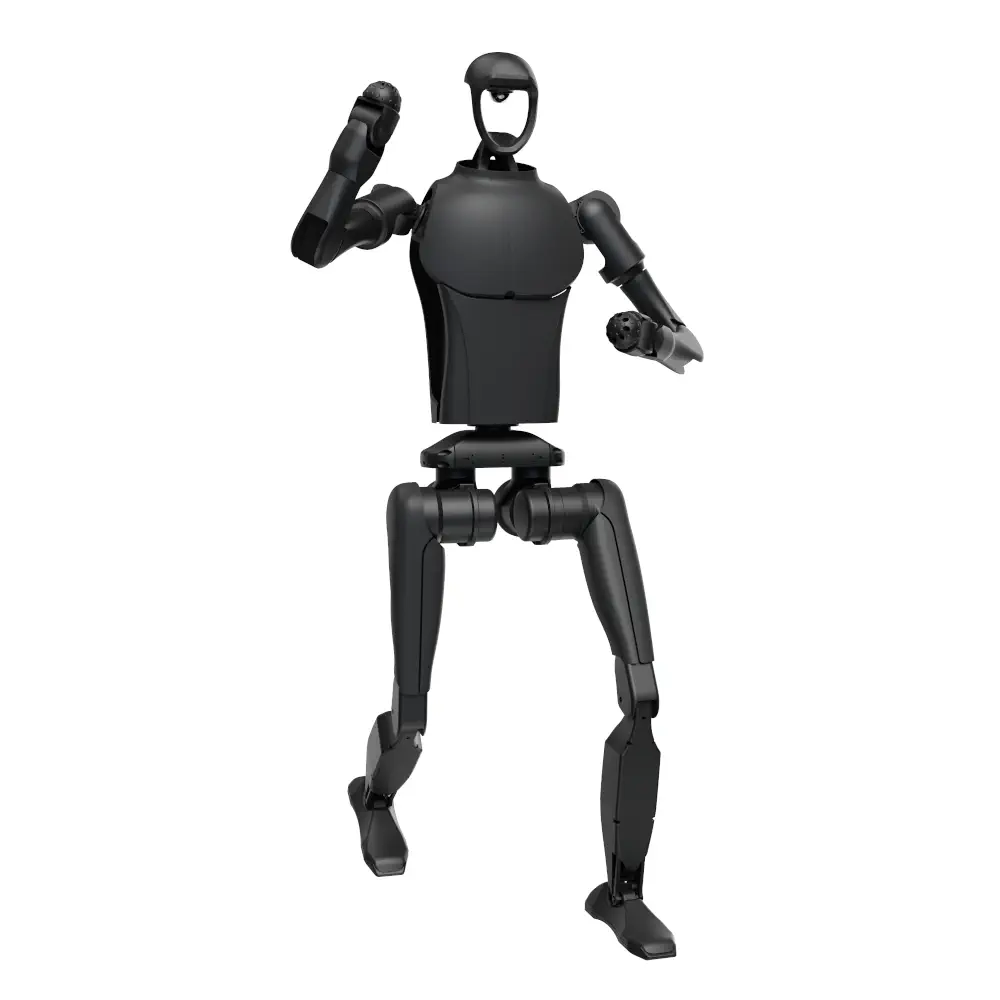
  • Coordinated servo control (jaw, eyes, brows) via Arduino / PCA9685 for expressive animatronic performance.
  • Built a Unity digital twin to prototype motion sequences and export CSV-driven animation curves for sim-to-real deployment.
  • Integrated audio-reactive jaw motion using FFT-based amplitude mapping.
  • Engineered cross-platform comms between Unity, Python, and embedded controllers for modular show-control integration.
Diffusion Policy Training
Research · IHMC 2025
Diffusion Policy Training
End-to-end teleoperation-to-autonomy pipeline for the Unitree H1-2 humanoid robot using Lerobot's diffusion policy.
►  expand for video
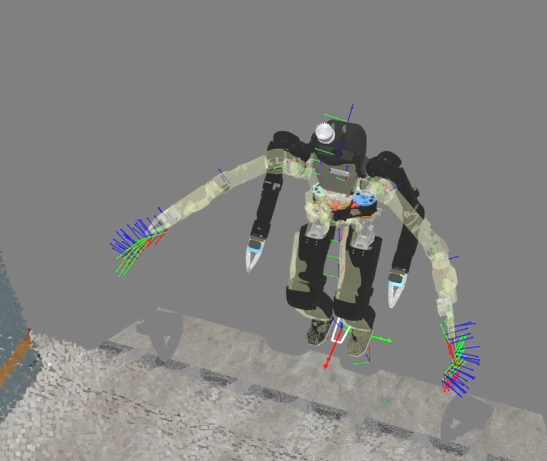
  • Collected training data via VR teleoperation and trained autonomous behaviors with Lerobot's diffusion policy framework.
  • Integrated Python Lerobot code with custom Java control systems through ROS2 for seamless cross-language communication.
  • Implemented control interfaces for Psyonic Ability Hands enabling dexterous manipulation.
Motion Capture System
Research · IHMC 2024
Motion Capture System
Java pipeline mapping full-body pose from an 8-camera Blackfly MoCap rig to three different robot platforms.
►  expand for images & videos
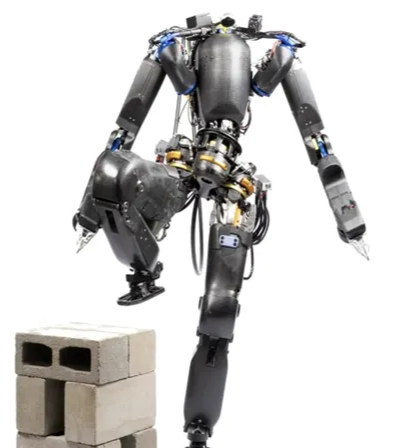
  • Parsed pose data from 8 Blackfly cameras and converted it into control signals for Psyonic Ability Hands, Franka Arms, and IHMC's Nadia humanoid.
  • Extended system to drive IHMC's Nadia full humanoid robot in collaboration with a senior researcher.
Nadia Robot
Research · IHMC 2023
VR Robot Controls
Custom VR interaction systems for controlling IHMC's humanoid robots — camera bounding boxes, radial menus, arm/hand control.
►  expand for images & videos
  • Built a movable camera bounding box for Blackfly projections so operators can reframe views without leaving VR.
  • Designed a radial menu triggered by controller proximity to robot hands — eliminates need to exit VR for pose changes.
  • Extended locomotion controls for remote teleoperation of IHMC's humanoid robot platform.
Jar of Joy
Software Engineering · UF
Jar of Joy
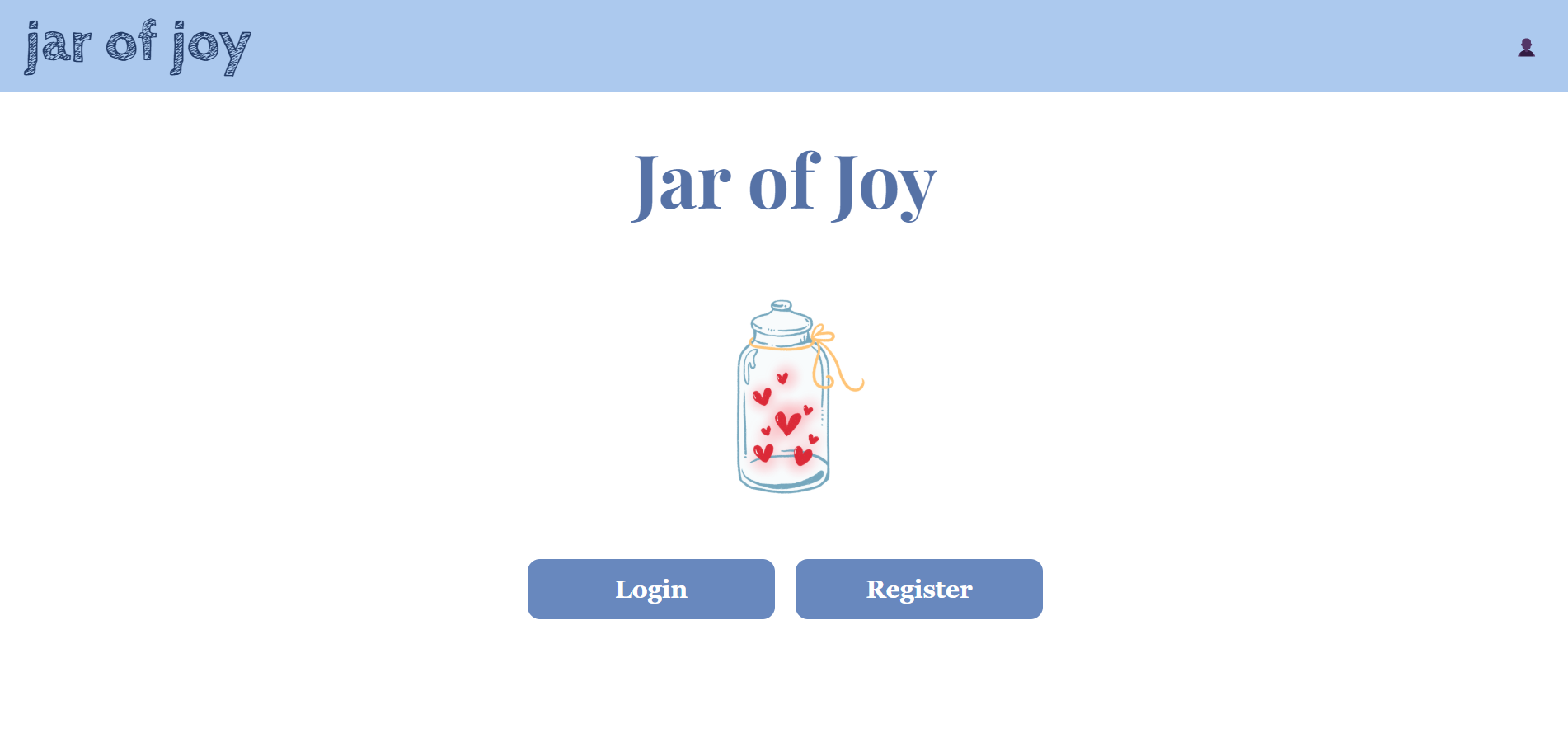
Full-stack web app with user authentication and dynamic database, built with React, Python, and MySQL.
►  expand for details
  • Team of 4 — React/JS/CSS frontend, Python + MySQL backend.
  • Implemented user authentication and a dynamic, per-user database.
Movie Graph Visualizer
Data Structures · UF
Movie Graph Visualizer
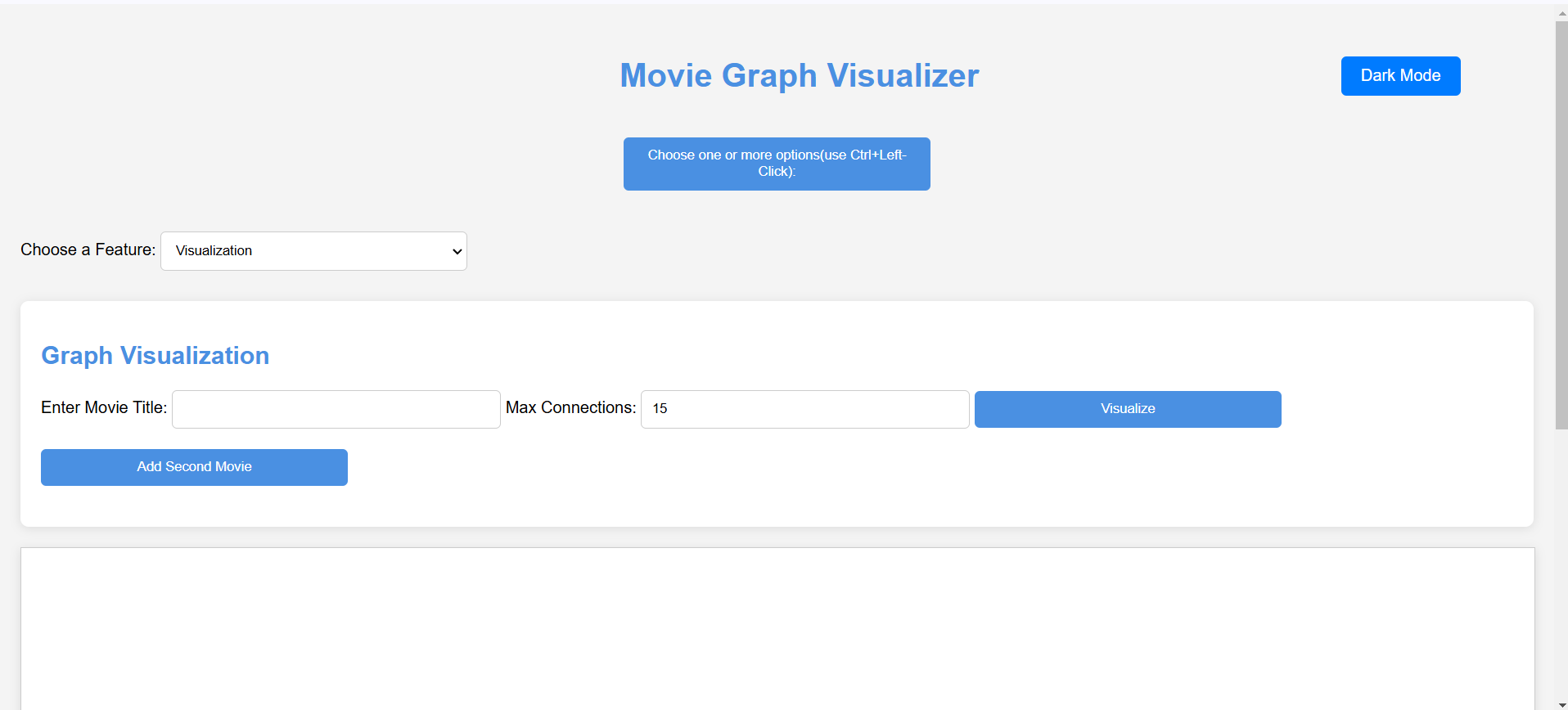
BFS vs Dijkstra visualizer over a 45,000-movie/actor dataset, built in HTML + JavaScript.
►  expand for details
  • Team of 3 — implemented both BFS and Dijkstra to find connections between any two movies.
  • Interactive website lets users visualize all connections from a single movie or find shortest paths between two.
  • Dataset: 45,000+ movies and actors.
Robot Ruckus Game
Game Dev · UF Digital Arts
2D Unity Game — Robot Ruckus
Fully playable game built in Unity with C# — custom animations, physics, and polished UI/UX.
►  expand for details
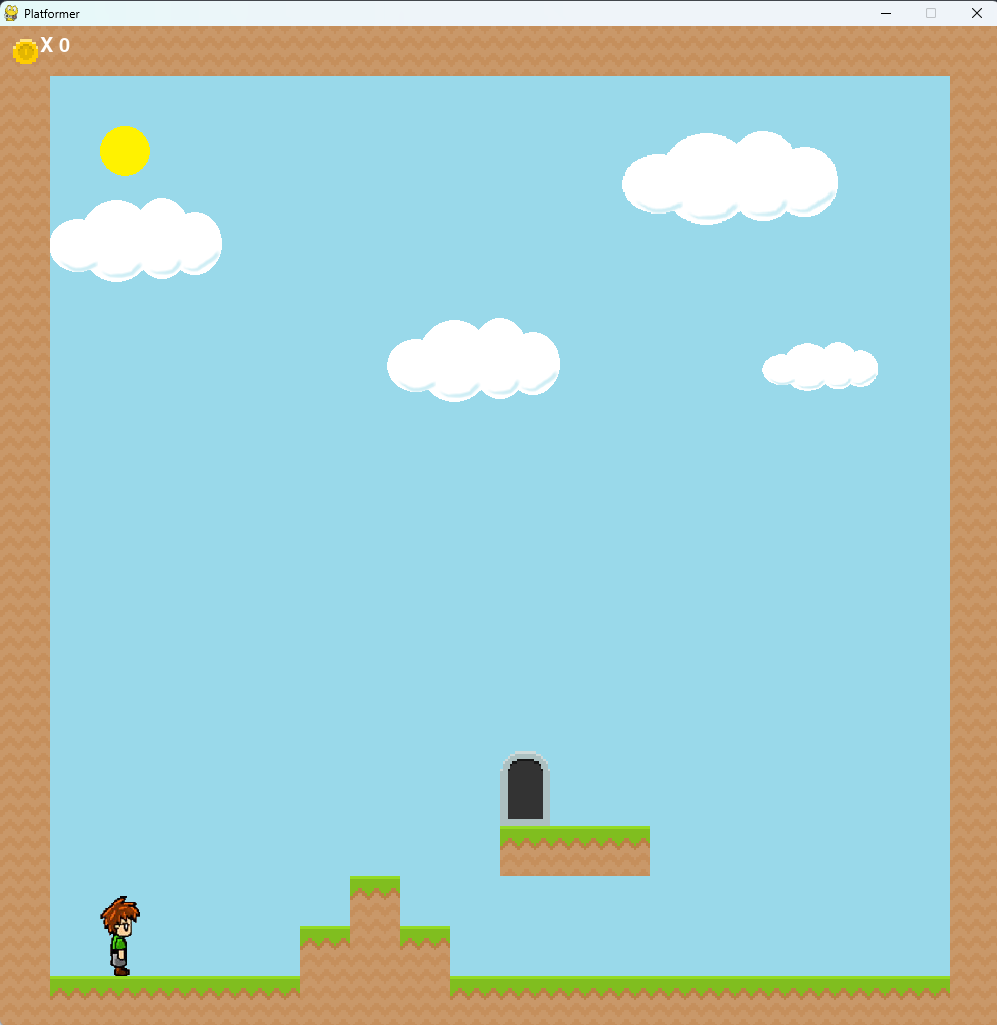
  • Implemented core gameplay systems in C# with structured OOP logic and optimized performance.
  • Created all character and environment animations from scratch and wired them into Unity's animation state machine.
  • Designed controls, feedback systems, and UI for smooth, intuitive gameplay.
Blob Town
Game Dev · FBLA 2022
Blob Town
Python Pygame platformer with a custom level editor. 🏆 1st place — FBLA Regionals Computer Game & Simulation Programming.
►  expand for details
  • Built a full platformer in Python + Pygame using open-source graphics.
  • Shipped a custom level editor so players can build and save their own levels.
  • 1st place at FBLA regional competition, Computer Game & Simulation Programming (2022).
AI 3D Printer Robot
Robotics · Science Fair 2021–2022
AI 3D Printer Robot
Converted a 3D printer into a pick-and-place arm using Python computer vision to detect and grab colored targets.
►  expand for images
  • Mounted a top-down camera and used Python computer vision to locate red pom-pom balls in the workspace.
  • Converted gantry motion to robot arm kinematics, driving the end-effector precisely to detected targets.
  • Custom gripper attachment for physical object retrieval.
Guess Who Robot
Robotics · Science Fair 2019–2020
Guess Who Robot
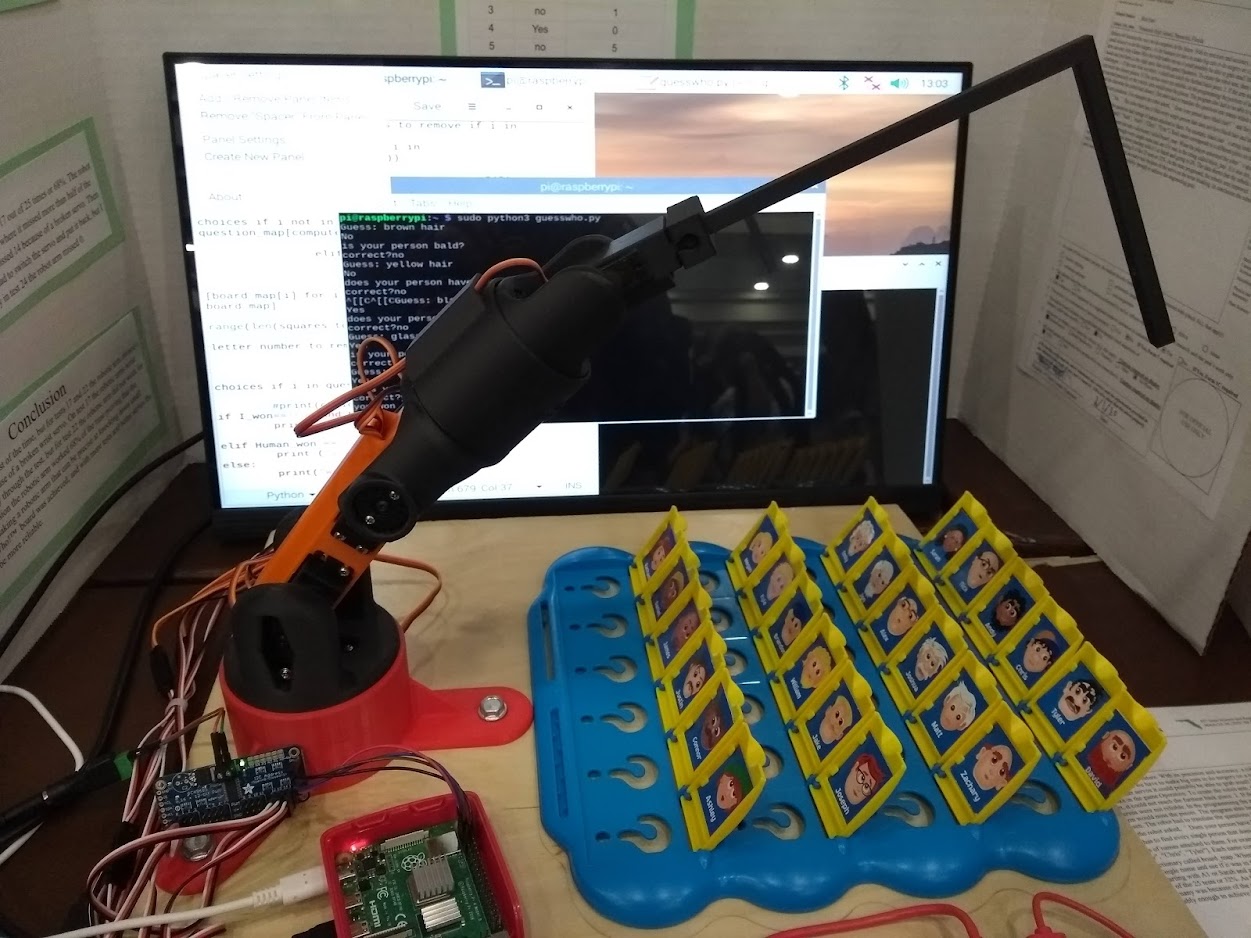
Open-source robotic arm controlled by a Raspberry Pi to play the board game Guess Who using Python.
►  expand for images & video
  • Programmed a Raspberry Pi in Python to run game logic for Guess Who.
  • Arm physically interacts with the game board, flipping character panels in response to game state.